Al-quran -mishary Rashid Al-afasy- Info
In the 21st century, the relationship between a believer and the Quran has been mediated not just by printed script, but by digital audio. Among the constellation of renowned Qaris (reciters), the name Mishary Rashid Al-Afasy stands as a towering icon. To the casual listener, his voice is simply beautiful; to the student of Islam, it is a masterclass in Tajweed (rules of pronunciation); and to the spiritual seeker, it is a vehicle for tadabbur (deep reflection). The pairing of "Al-Quran" with "Mishary Rashid Al-Afasy" has become a genre unto itself—a global standard for memorization, prayer, and emotional connection. The Architecture of His Recitation Al-Afasy’s genius lies not in vocal acrobatics but in disciplined precision. Born in Kuwait in 1976, he grew up in a family of scholars, which imbued his recitation with a scholarly weight. Unlike reciters who prioritize melody over meaning, Al-Afasy treats each ayah (verse) as a logical sentence. His hallmark is the meticulous application of Madd (prolongation) and the crisp articulation of every consonant, particularly the heavy letters ( Tabaq ). When he recites verses about punishment ( Adhab ), his voice drops into a cavernous, ominous register. When he recites verses about Paradise ( Jannah ), it lifts into a light, airy cadence. This dynamic range allows the listener to hear the theology. For millions, his recording of Surah Ar-Rahman ("Which of the favors of your Lord will you deny?") is the definitive rendition—each repetition of the refrain carrying a new shade of urgency or mercy. The Digital Minaret The rise of Al-Afasy coincided with the digital revolution. In the early 2000s, as CDs and MP3 players became ubiquitous, his complete Mushaf (recorded Quran) became a staple of Islamic websites and apps. For non-Arabic speaking Muslims, his slow, methodical Mujawwad (ornamental) style became the perfect tool for memorization ( Hifz ). Madrasas from Indonesia to Nigeria adopted his recordings as the auditory textbook. His voice replaced the live Qari in many homes, turning living rooms into virtual mosques. Furthermore, his clear Murattal (slow, measured) recitation is the most commonly downloaded version for daily prayers, proving that accessibility does not require sacrificing artistry. Emotional Pedagogy Al-Afasy’s impact is profoundly emotional. There is a distinct sorrow in his voice when reciting verses about the orphans or the Day of Judgment—a sorrow that feels genuine rather than performative. Psychologists of religion note that auditory processing of the Quran through Al-Afasy’s voice activates what scholars call "spiritual intelligence." Listeners report that his recitation helps them focus during Salat (prayer) when distractions are high. By bridging the gap between strict rules ( Tajweed ) and heartfelt expression ( Tarteel ), he teaches an unspoken lesson: the Quran is not a text to be rushed through, but a conversation to be savored. A Quiet Legacy Unlike pop stars, Al-Afasy has remained a humble imam and preacher. He does not perform concerts; he leads prayer. His legacy is measured not in awards but in the millions of children who learned to recite "Al-Fatiha" by mimicking his tone, and the adults who wept listening to Surah Maryam during a difficult night. In a fractured world, where the Muslim ummah faces political and sectarian divides, the voice of Mishary Rashid Al-Afasy serves as a rare, unifying constant. Whether in a grand mosque in Mecca or a small apartment in Ohio, his recitation signals the same truth: the word of God is alive, audible, and merciful. Conclusion To say one listens to "Al-Quran by Mishary Rashid Al-Afasy" is to acknowledge that divine revelation, while immutable in text, finds new dimensions of beauty through human vessels. Al-Afasy has not changed the Quran; rather, he has unveiled its inherent emotional architecture. For contemporary Muslims navigating the noise of modernity, his voice is an acoustic sanctuary—a proof that the miracle of the Quran extends beyond the page and into the very air we breathe.
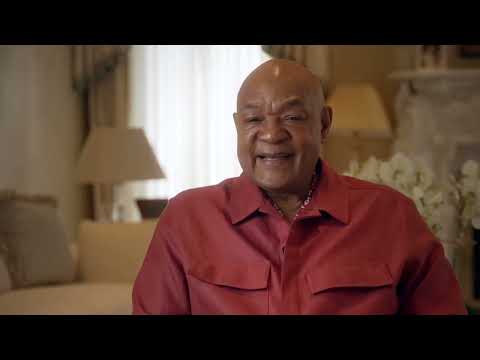
INSPIRING WORDS FROM THE REAL BIG GEORGE FOREMAN
“You can always keep going and trying. That’s the story of George Foreman.”
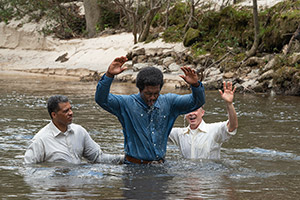
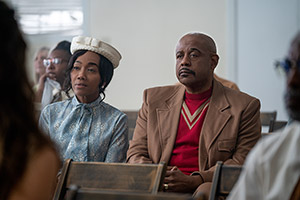
“I jumped up and I said, ‘Jesus Christ is coming alive in me!’”
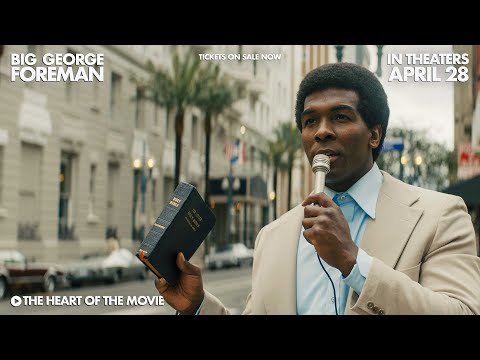
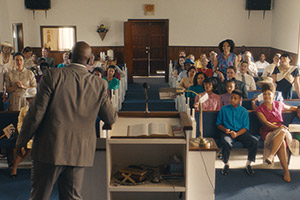
“I stopped fighting for 10 years. I spent my whole time preaching on street corners, television shows, my own ministry in Houston.”
“I started preaching. All I wanted to do was to be a preacher.”
“If you get enough faith to tell people about God, you can do anything.”
“The only time I come alive is when I have a chance to preach, testify about God. It brings me alive.”
“The most important thing that a person can have is faith in God.”
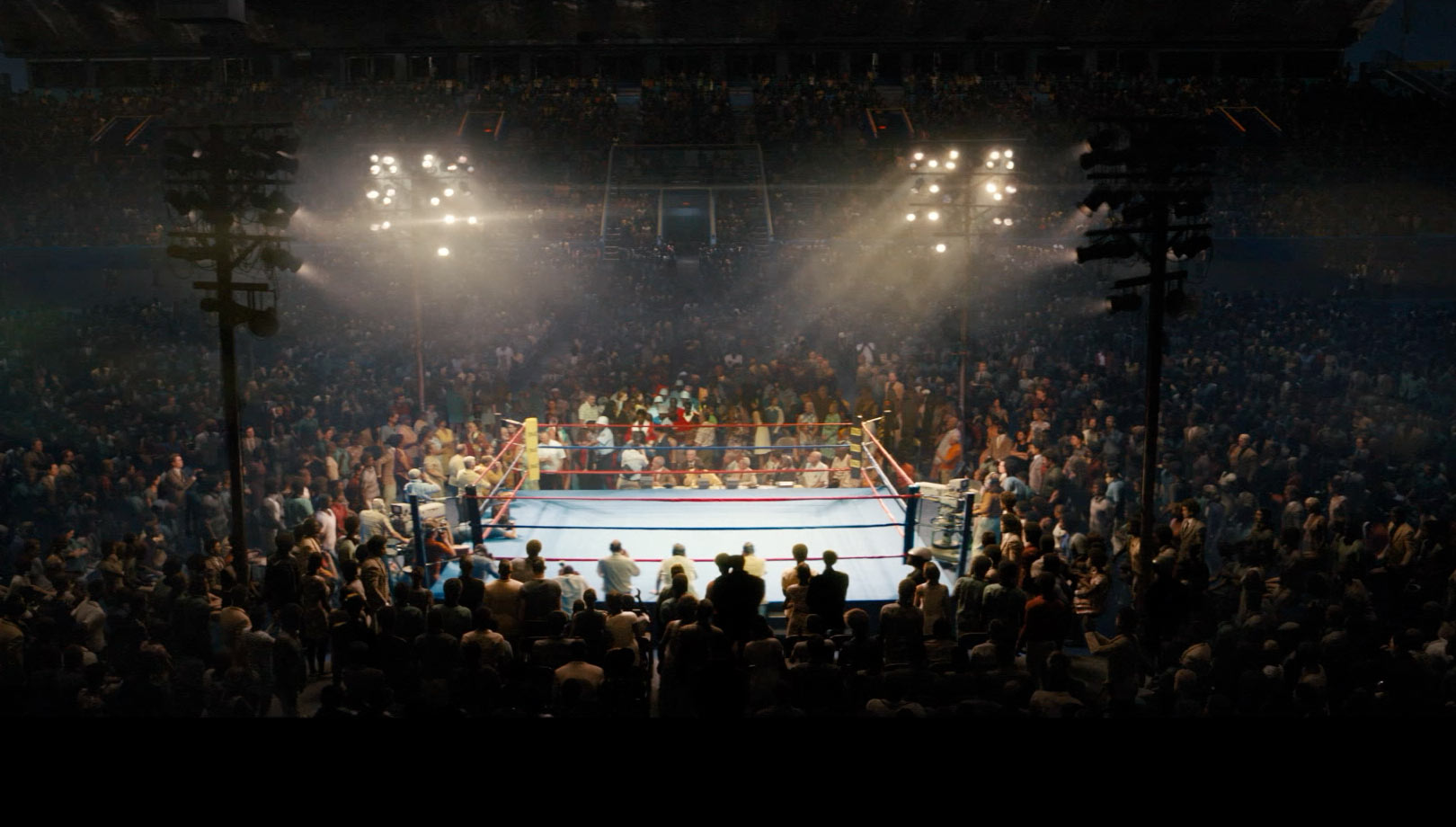
“I went back to Zaire in Africa in the same arena where I fought Muhammad Ali and here were all of the people just cheering for my testimony.”
ABOUT THE MOVIE
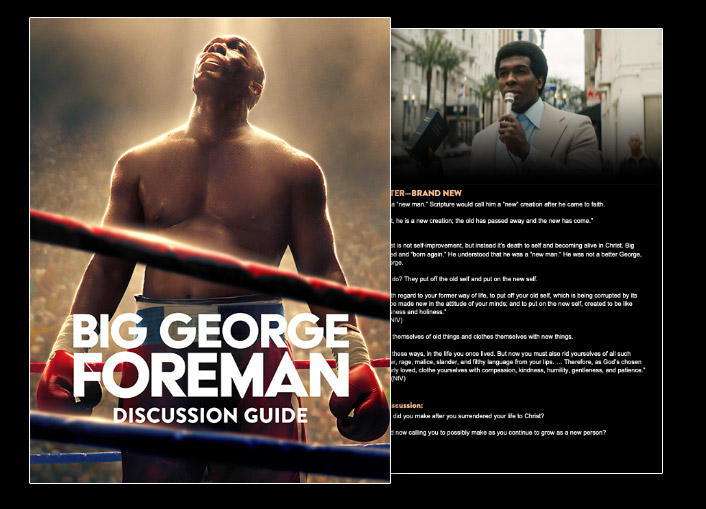
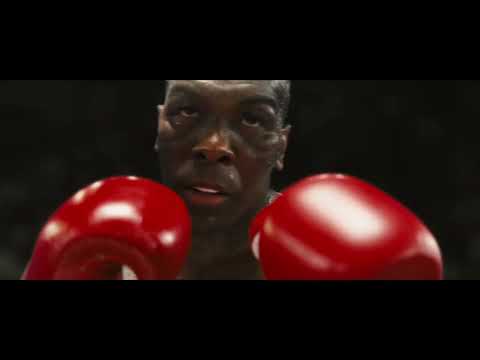
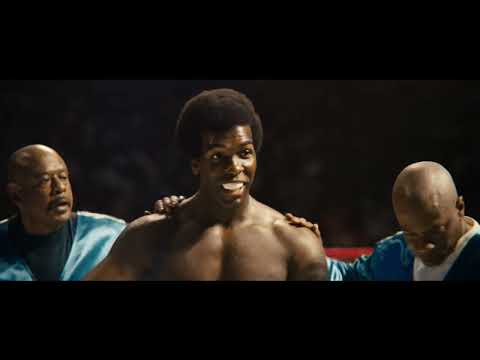
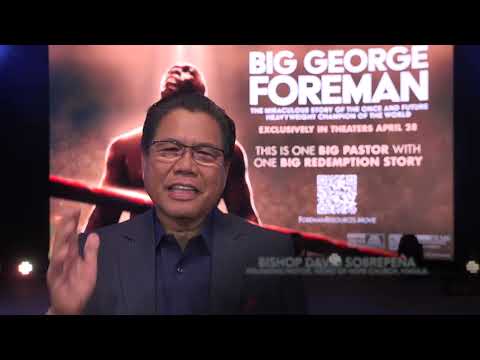
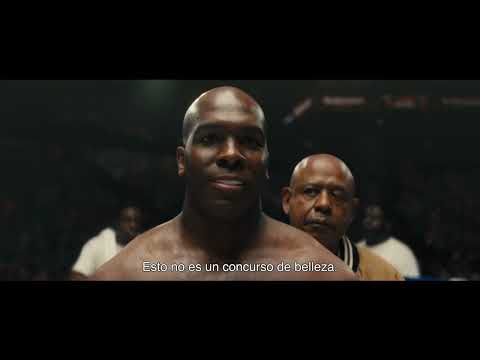
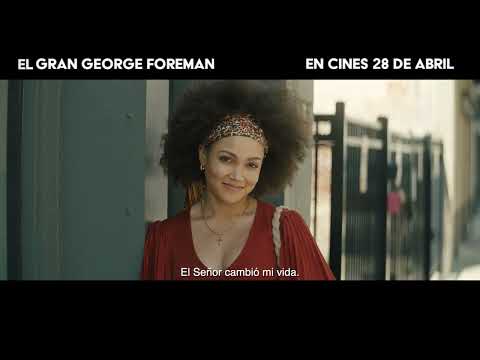
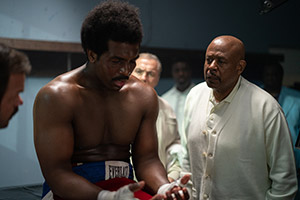
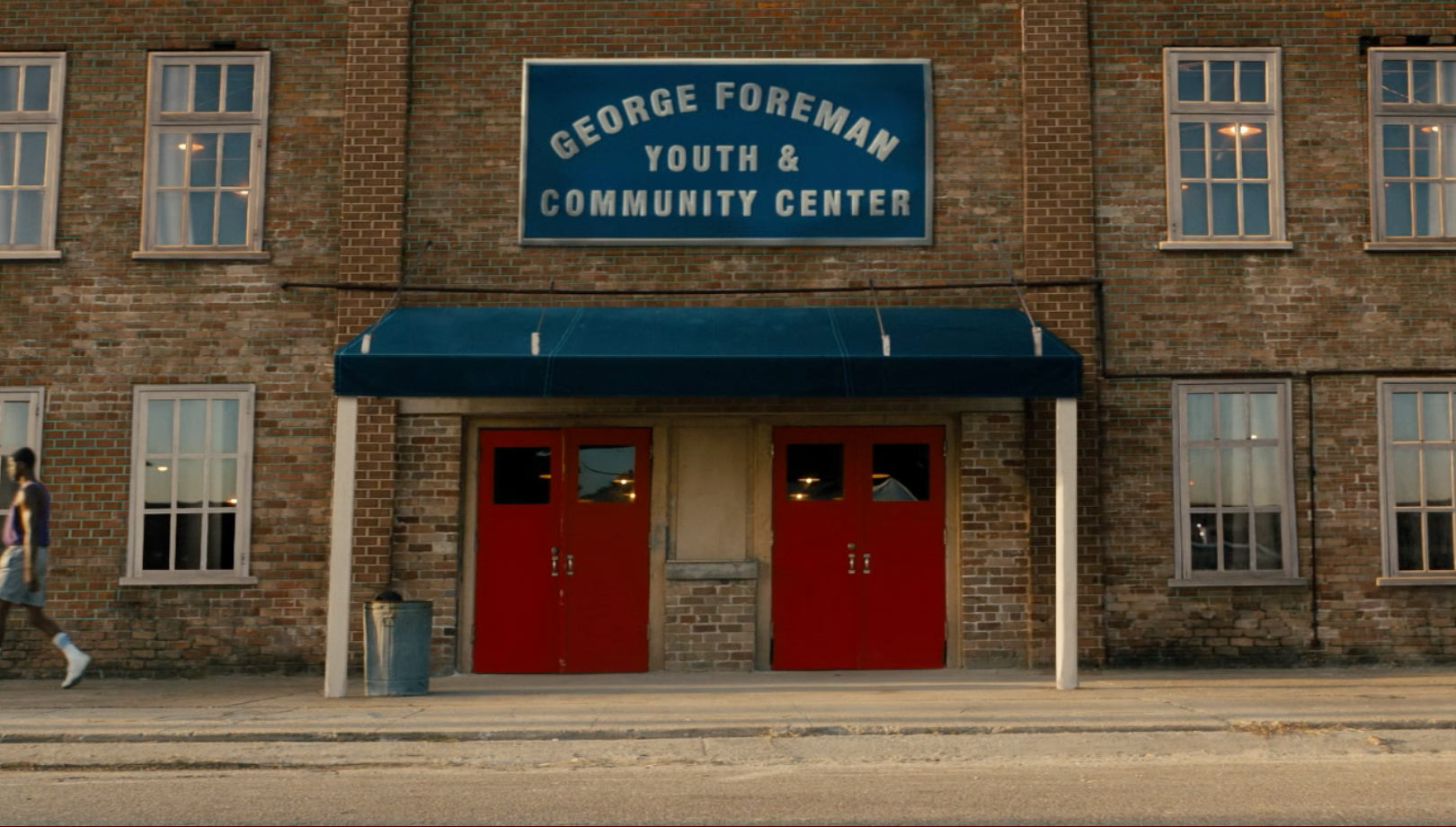
BIG GEORGE FOREMAN: The Miraculous Story of the Once and Future Heavyweight Champion of the World is based on the remarkable true story of one of the greatest comebacks of all time and the transformational power of second chances. Fueled by an impoverished childhood, Foreman channeled his anger into becoming an Olympic Gold medalist and World Heavyweight Champion, followed by a near-death experience that took him from the boxing ring to the pulpit. But when he sees his community struggling spiritually and financially, Foreman returns to the ring and makes history by reclaiming his title, becoming the oldest and most improbable World Heavyweight Boxing Champion ever.
Directed by:
George Tillman Jr.
Screenplay by:
Frank Baldwin & George Tillman Jr.
Screen Story by:
Dan Gordon and Frank Baldwin & George Tillman Jr.
Executive Producers:
George Foreman
Peter Guber
Wendy Williams
Henry Holmes
Cast:
Khris Davis
Jasmine Mathews
Sullivan Jones
Lawrence Gilliard Jr.
John Magaro
with Sonja Sohn
and Forest Whitaker
Visit Movie Website






 Apple iCal
 Google Calendar
 Microsoft Outlook
 Yahoo
Yahoo